Where ideas become systems
The Haust Lab is our internal R&D arm — a permanent space for research, simulation and rapid prototyping. The best ideas graduate into production; the rest become open-source tools and field notes.
Where ideas become systems
Our internal lab is where research, simulation and rapid prototyping happen — before the best ideas graduate into production.
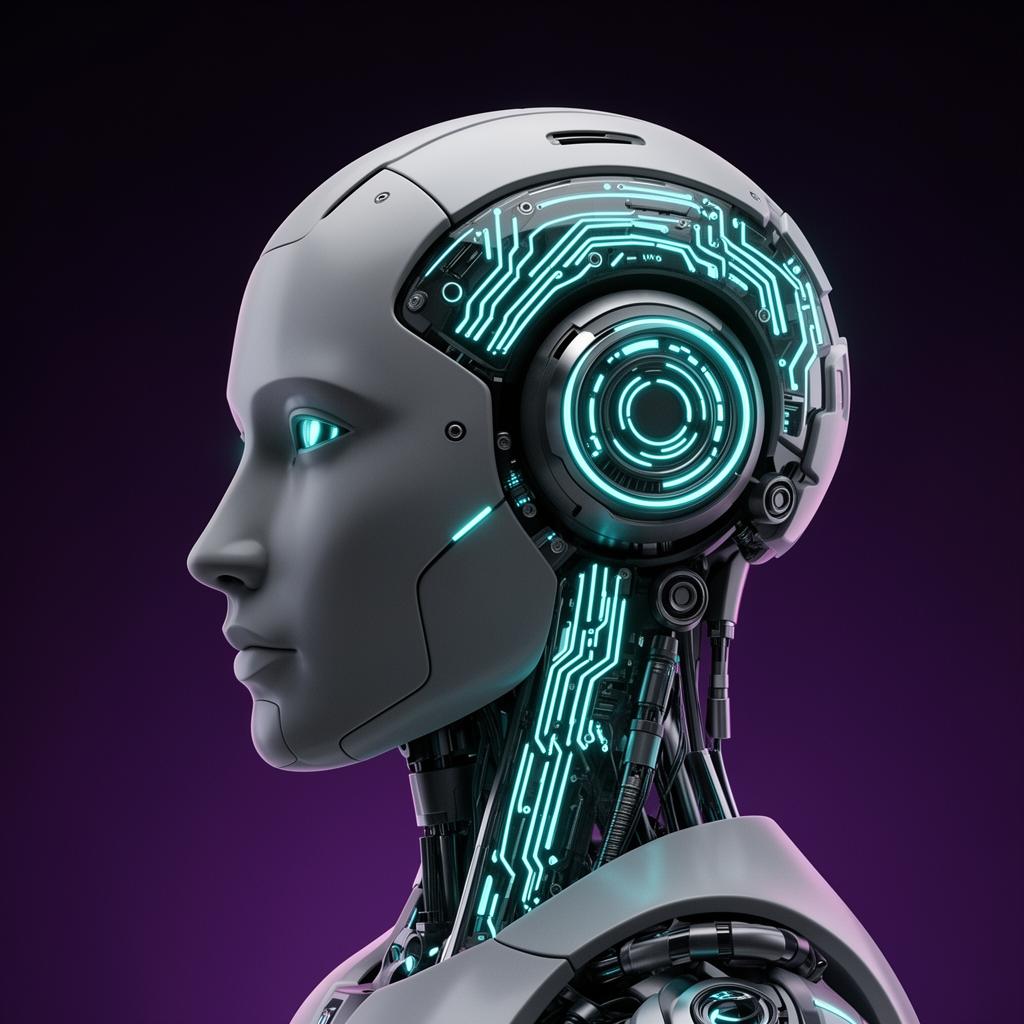
Hybrid symbolic + neural reasoning under continuous evaluation.
Computer Vision Demos
Real-time object detection, pose estimation, and OCR pipelines.
Neural Net Visualizations
Interactive activations, attention maps, and embedding spaces.
Robotics Simulations
ROS2 + Gazebo digital twins for safe iteration before deployment.
AI Model Experiments
Fine-tuning, distillation, and benchmarking across modern architectures.
Intelligent Automation
Agentic workflows that combine tools, retrieval and decisioning.
Anomaly & Signal R&D
Time-series, sensor and graph anomaly detection at scale.
How the lab is organized
Three parallel tracks, all feeding back into the products we ship.
Applied Research
Targeted investigations into model architecture, training recipes and evaluation methodology. Output: technical notes and reference implementations.
Prototyping
Two-week spikes that turn a paper, a dataset or a sensor into a working artifact you can actually use.
Open Source
Tooling we extract out of client work — evaluation harnesses, agent scaffolding, simulation utilities — released for the community.
What we're investigating right now
Domain-randomized sim-to-real transfer for 6-DOF arms
Closing the reality gap with lightweight per-camera calibration.
Routing & fallbacks for LLM tool-use under partial failure
How agentic systems should behave when one tool starts misbehaving.
Self-supervised anomaly detection on irregular signals
Now powering monitoring on three production data streams.
Cortex-7 hybrid symbolic + neural reasoning engine
Continuous eval across reasoning, planning and tool-use benchmarks.